Article
Agents Are Getting More Expressive. That Changes Customer Support.

March 11, 2026 ...
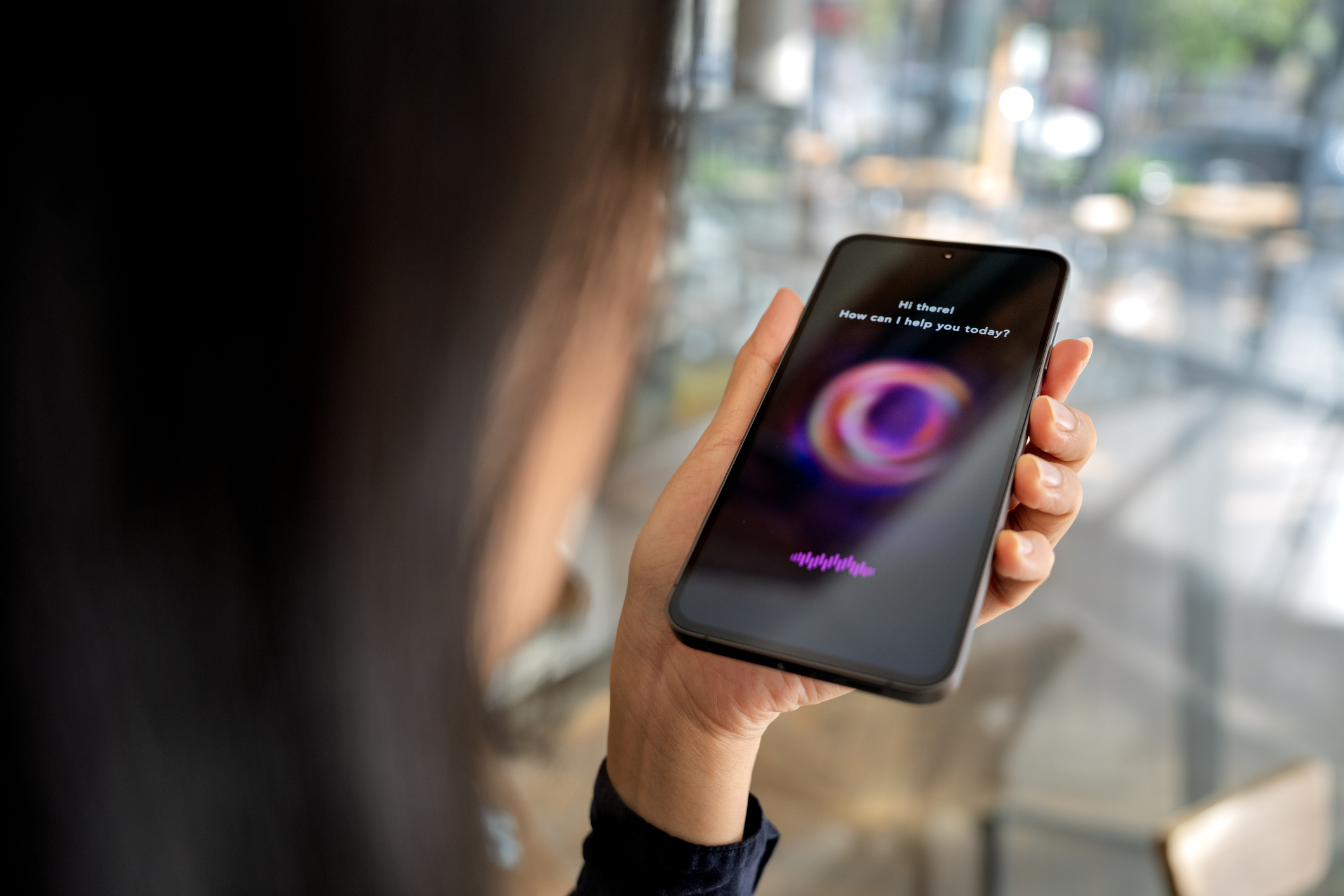
Recently, ElevenLabs introduced Expressive Mode for voice agents.
On the surface, it looks like a voice quality upgrade.
Underneath, it signals something bigger.
We’re entering a phase where agents aren’t just evaluated on what they say… but how they say it.
Summary
Expressive voice AI marks a shift from purely logical accuracy to emotionally calibrated interactions where tone, pacing, and delivery shape outcomes. This evolution moves agents from merely answering questions to handling situations, improving de-escalation, CSAT, and operational metrics. While imperfect today, recognizing that tone is part of the product signals an ecosystem-wide change that will redefine how service systems are built and measured.
The Missing Layer in AI Customer Support
For the past two years, most innovation in AI agents has focused on:
- Better intent detection
- Smarter retrieval
- More accurate reasoning
- Faster response time
All important.
But customer support isn’t purely logical.
It’s emotional.
A caller under stress doesn’t just need the correct answer. They need to feel heard, reassured, and guided. That layer has been largely missing from voice AI systems.
Even when models could detect frustration or urgency, the response often came back in the same neutral tone.
That tonal mismatch is subtle… but it creates friction.
Why Expressiveness Matters
In high-pressure situations, tone determines trajectory.
A flat response can escalate tension.
A calm, steady response can de-escalate it.
Expressive voice systems introduce capabilities like:
- Softening tone when frustration is detected
- Adding reassurance when uncertainty is present
- Adjusting pacing during complex explanations
- Guiding conversations toward resolution with emotional alignment
This is less about theatrics and more about alignment.
Human support agents naturally do this.
They modulate tone based on context.
Now voice agents are starting to approximate that behavior.
The Demo Isn’t Perfect. That’s Not the Point.
If you listen closely to the Expressive Mode demo, you can still tell it’s AI trying its best.
It’s not indistinguishable from a trained human support rep.
But that misses the real signal.
The signal is that platform providers now recognize:
- Resolution is psychological.
- De-escalation is strategic.
- Tone is part of the product.
That mindset shift matters more than perfection.
From “Answering” to “Handling”
There’s a difference between:
- AI that answers questions
- AI that handles situations
Handling requires emotional calibration.
In real support environments:
- Customers are confused
- Deadlines are looming
- Systems may be down
- Emotions are elevated
An agent that responds accurately but without tonal awareness can unintentionally amplify stress.
An agent that responds with controlled reassurance can stabilize the interaction.
That difference directly impacts:
- CSAT scores
- Escalation rates
- Call duration
- Brand perception
Expressiveness is no longer cosmetic. It’s operational.
What This Means for the Ecosystem
As expressive capabilities mature, I expect similar features to appear across voice agent platforms, including real-time systems built by OpenAI and others pioneering low-latency conversational models.
Voice-native agents are becoming:
- Context-aware
- Emotion-aware
- Delivery-aware
That third layer is new.
And once customers experience emotionally calibrated AI interactions, flat responses will feel outdated.
A Subtle but Important Inflection Point
We’re still early.
The tech isn’t flawless.
The realism isn’t perfect.
But the direction is clear.
Customer support AI is shifting from transactional automation toward emotional orchestration. That shift won’t just improve demos. It will reshape how companies design service systems, measure success, and define what “good automation” actually means.
Agents are getting more expressive. And in customer support, that may be the difference between solving a problem… and resolving a moment.
Q&A
Question: What is “Expressive Mode,” and why does it matter for customer support? Short answer: Expressive Mode is a step beyond improving voice quality—it shifts evaluation from just what agents say to how they say it. By calibrating tone, pacing, and delivery, expressive voice AI can de-escalate tense moments, boost CSAT, and improve operational outcomes, signaling that tone itself is now part of the product.
Question: Why is expressiveness crucial in support interactions? Short answer: Support isn’t purely logical; it’s emotional. Stressed callers need to feel heard and reassured, and a flat, neutral response can create friction or escalate tension. A calm, aligned tone can stabilize conversations and guide them toward resolution.
Question: What new capabilities do expressive voice systems introduce? Short answer: They can soften tone when frustration is detected, add reassurance amid uncertainty, adjust pacing for complex explanations, and keep conversations emotionally aligned with resolution. This isn’t theatrics—it’s closer to how skilled human agents naturally modulate their delivery.
Question: How does this change what “good automation” looks like? Short answer: The bar moves from answering questions to handling situations. Agents that pair accuracy with emotional calibration reduce escalations, shorten or appropriately pace calls, raise CSAT, and improve brand perception—making expressiveness an operational lever, not a cosmetic one.
Question: What does this mean for the broader ecosystem and what comes next? Short answer: Expect similar expressive features across voice platforms, including real-time systems from OpenAI and others, as voice-native agents become context-, emotion-, and delivery-aware. As customers experience emotionally calibrated AI, flat responses will feel outdated, pushing companies to design service systems and success metrics around emotional orchestration, not just transactional automation.