Article
When to Use Agentic AI?

March 3, 2026 ...
We need Agentic AI, stat!
Over the past couple of years, a common demand in client conversations has been: “…we need agentic AI…” To which I follow with, “Tell me more…” With the AI boom and pressure for efficiency and growth, agentic AI can be a powerful solution.
First, what is Agentic AI?
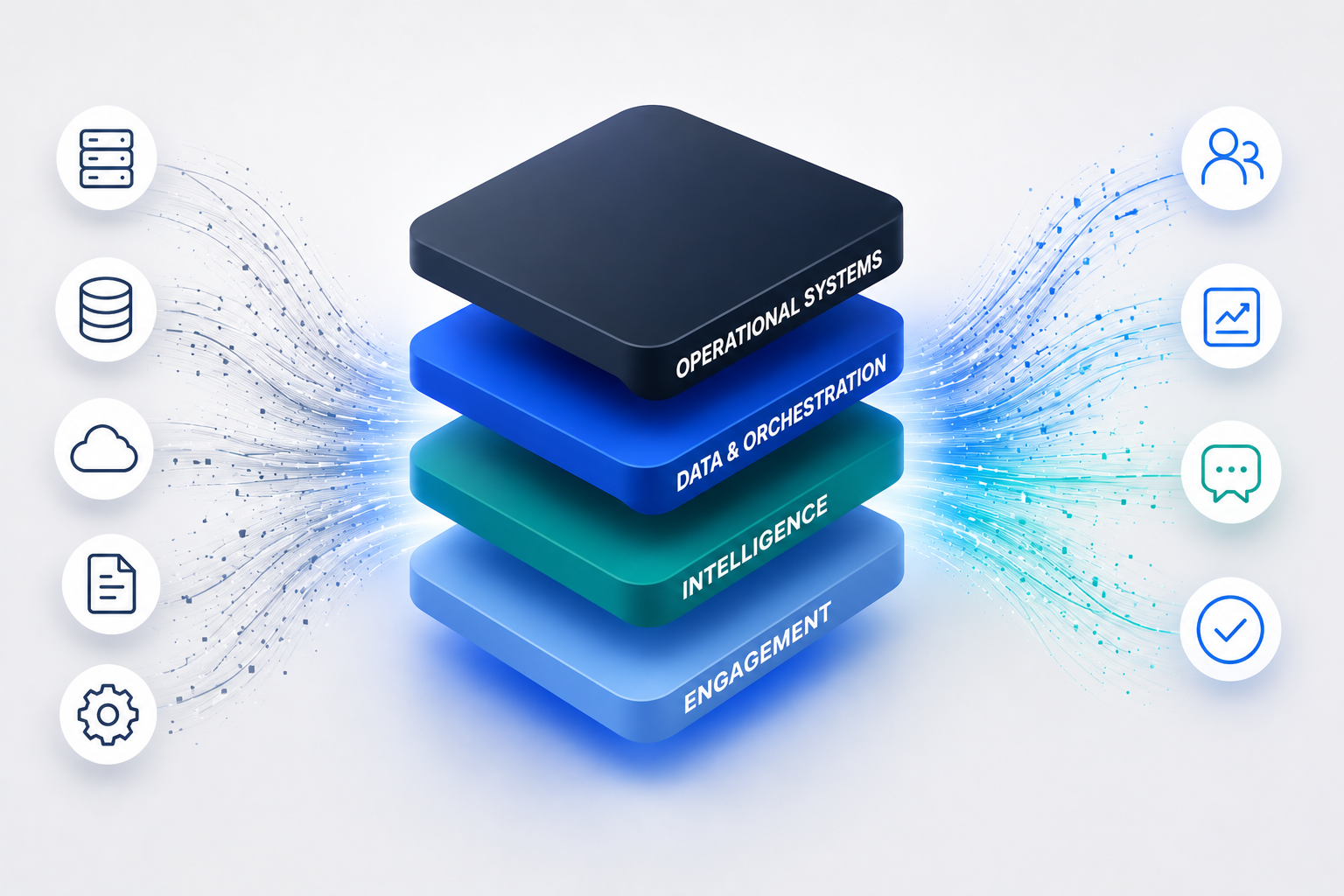
Let’s set some definitions before we dive in. Agentic AI refers to systems that can pursue goals by planning steps, using tools, and executing actions across software systems. A single prompt can kick off a workflow that runs across multiple tasks, systems, and decision points. In other words, a prompt can trigger work that sets in motion multiple steps toward a high-level objective.
For contrast, generative AI typically focuses on producing content (text, images, code) in response to prompts. Tools like ChatGPT and Midjourney can be incredibly powerful, but they don’t inherently “run a process” across systems unless you explicitly wrap them in a workflow and tools. Before running headlong into a solution silo, take a beat and discuss the following variables with your team.
Use Agentic AI when…
1. The task is complex with variable contexts, steps, and branches
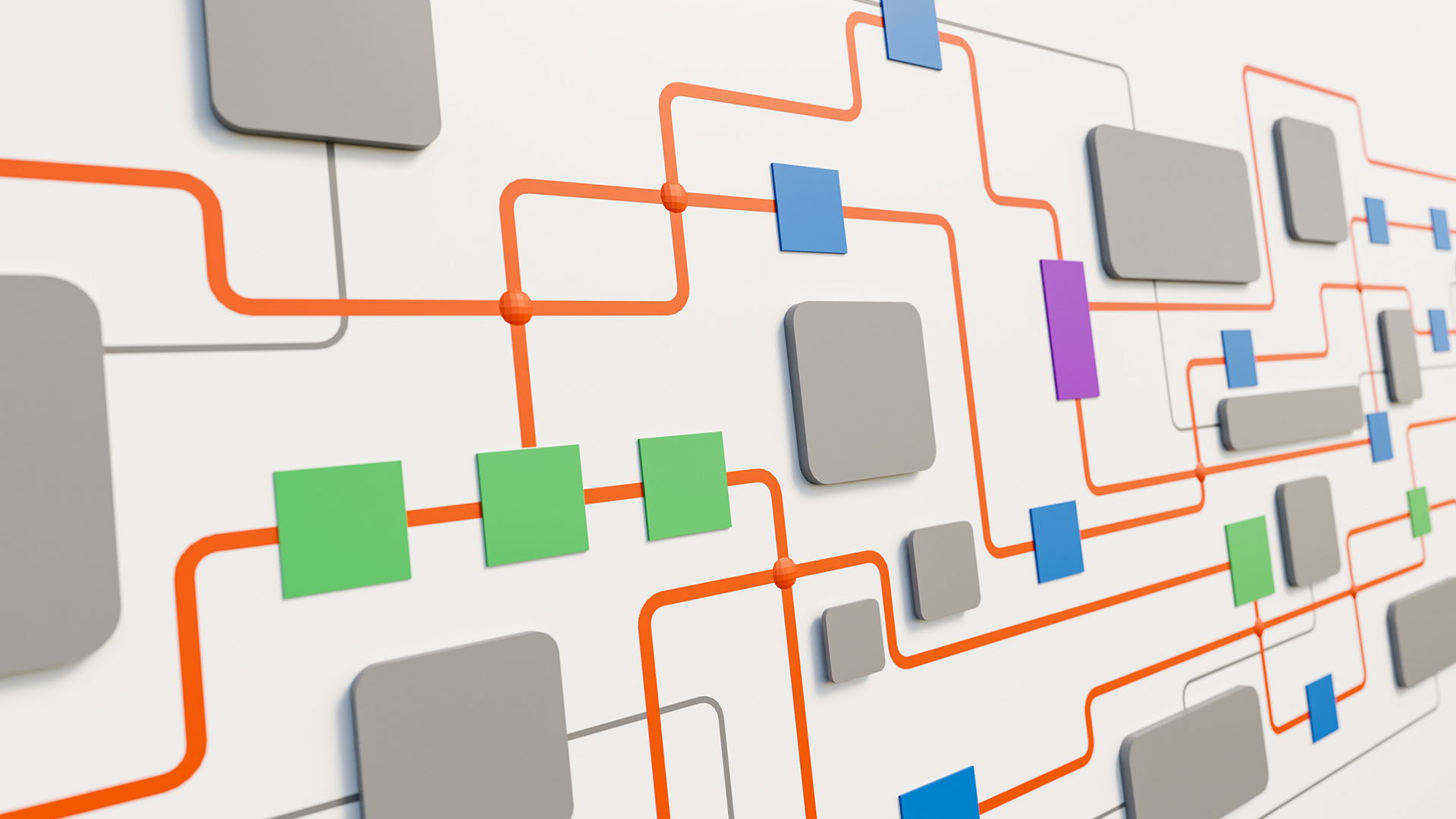
When tasks are relatively simple and predictable, an AI agent is likely overkill. Sometimes a few filters, buttons, or saved presets can do the trick. When there are unique contexts, steps, documents, and systems involved, then an AI agent might be the way to go.
2. Data readiness and AI governance frameworks are in place
Your systems will provide accurate results instead of hallucinations. Your governance frameworks provide guardrails for ethical use, accountability, safety, and transparency. You are able to test, monitor, and continuously improve the agent.
3. The human can stay in control of risk
If the cost of errors is medium or high, make sure there is human control. Visibility into AI reasoning to explain why an action is being taken before execution can save time and prevent potential problems. At key points, users need the ability to confirm next steps or roll back a sequence to undo potential damage.
4. It reduces user effort to reach task success
This seems obvious and should be the whole point of introducing AI into a workflow. However, I’ve seen it multiple times where a new technology is so exciting to work with, the actual user experience gets overlooked. Reducing user effort to complete a task should include SOME OR ALL of the following:
- Lower cognitive load (it feels easy)
- Fewer interactions (clicks, taps, scrolls, commands, etc.)
- Shorter completion time (usually based on the first two bullets)
5. It is cost-effective
Evaluate your cost per run. If the token usage for each task completion is more expensive than the value of the task output, then you may want to rethink using an AI agent.
Define the problem before the technology
When the call for agentic AI integration arises, start by defining the problem details first and then work through the list above. Your end users will appreciate you following the proper process and not picking a technology based on the popularity of the moment.